


Explore Residential Roofing Materials for Your Home

Choosing the right roofing for your home is more than just a practical decision. It’s about protecting your family, enhancing your home’s beauty, and investing in long-term value. When it comes to roofing, there are many options available, each with its own benefits and considerations. This guide will walk you through the most popular residential roofing materials, helping you make an informed choice that fits your needs and values.
Understanding Residential Roofing Materials
When selecting roofing materials, it’s important to consider durability, appearance, cost, and maintenance. The right material can withstand the local climate, complement your home’s style, and provide peace of mind for years to come. Here are some of the most common residential roofing materials used today:
Asphalt Shingles
Asphalt shingles are the most popular roofing material in the United States. They are affordable, easy to install, and come in a variety of colors and styles. Asphalt shingles typically last 20 to 30 years and offer good protection against wind and rain.
Pros: Cost-effective, widely available, easy to repair.
Cons: Shorter lifespan compared to other materials, can be prone to algae growth in humid climates.
Metal Roofing
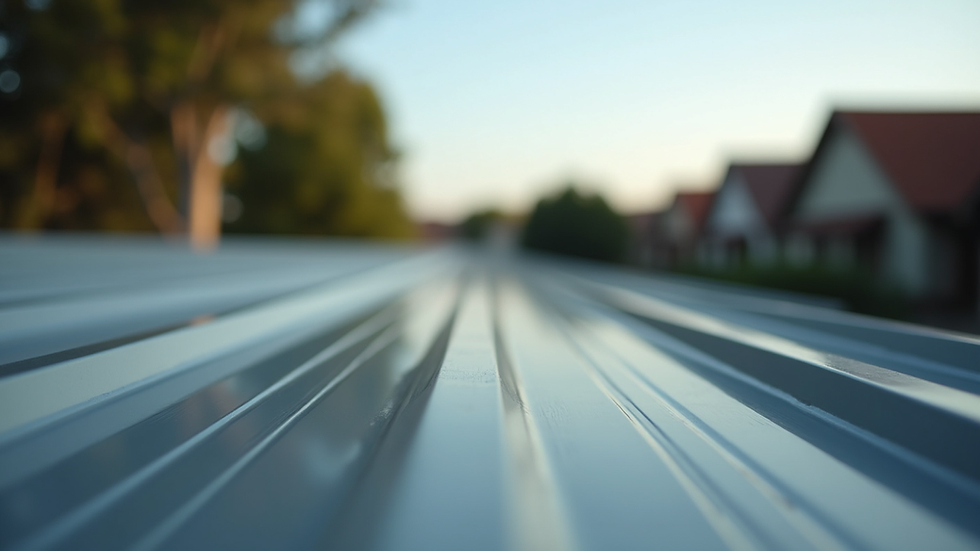
Metal roofs are gaining popularity for their longevity and energy efficiency. They reflect sunlight, helping to keep your home cooler in the summer. Metal roofing can last 40 to 70 years and is resistant to fire, rot, and insects.
Pros: Long-lasting, energy-efficient, low maintenance.
Cons: Higher upfront cost, can be noisy during rain or hail without proper insulation.
Wood Shingles and Shakes
Wood shingles and shakes offer a natural, rustic look that many homeowners love. They are typically made from cedar, redwood, or pine. Wood roofing requires regular maintenance to prevent mold, rot, and insect damage.
Pros: Beautiful natural appearance, good insulation properties.
Cons: Requires maintenance, less fire-resistant unless treated.
Clay and Concrete Tiles
Clay and concrete tiles are known for their durability and distinctive look, often seen on Mediterranean or Spanish-style homes. They are heavy, so your roof structure must be able to support the weight.
Pros: Long-lasting, fire-resistant, energy-efficient.
Cons: Heavy, expensive, installation requires skilled labor.
Slate Roofing
Slate is a premium roofing material prized for its elegance and longevity. A slate roof can last over 100 years with proper care. It is fire-resistant and environmentally friendly but comes with a high price tag.
Pros: Extremely durable, beautiful, low maintenance.
Cons: Very expensive, heavy, requires expert installation.
Factors to Consider When Choosing Roofing Materials
Selecting the right roofing material involves more than just looks. Here are some key factors to keep in mind:
Climate and Weather Resistance
Your roofing material should be able to withstand the local weather conditions. For example, metal roofs perform well in areas with heavy rain or snow, while clay tiles are excellent for hot, dry climates.
Budget and Long-Term Value
While some materials have a higher upfront cost, they may save money over time due to durability and low maintenance. Asphalt shingles are budget-friendly initially, but metal or slate roofs can offer better value in the long run.
Aesthetic Appeal
Your roof is a major part of your home’s curb appeal. Choose a material and color that complements your home’s style and neighborhood.
Maintenance Requirements
Some roofing materials require more upkeep than others. Wood shingles need regular treatment, while metal and slate roofs are relatively low maintenance.
How to Maintain Your Roof for Longevity
Proper maintenance can extend the life of any roofing material. Here are some practical tips:
Regular Inspections: Check your roof at least twice a year and after major storms.
Clean Gutters: Keep gutters clear to prevent water damage.
Remove Debris: Clear leaves, branches, and moss to avoid moisture buildup.
Address Repairs Promptly: Fix missing or damaged shingles or tiles quickly to prevent leaks.
Hire Professionals: Trust experienced roofing contractors who value integrity and craftsmanship.

Bringing It All Together: Making the Right Choice
Choosing the right roofing material is a decision that impacts your home’s safety, beauty, and value. By understanding the options and considering your specific needs, you can select a roof that will protect your home for decades. Remember, investing in quality materials and skilled installation reflects a commitment to your home and community.
If you’re ready to explore your options or need expert advice, consider reaching out to a trusted partner who shares your values of honesty, transparency, and faith-based craftsmanship. They can guide you through the process and ensure your home is protected with the best residential roofing solution available.
Protecting Your Home with Care and Integrity
Your home deserves a roof that stands strong through every season. By choosing the right materials and maintaining them well, you’re not just investing in a structure—you’re investing in your family’s safety and comfort. Let your roof be a testament to quality, trust, and the care you put into your home every day.
Comments