


Filing a Roof Insurance Claim in Texas: A Homeowner's Step-by-Step Guide

Updated: Aug 24
Texas homeowners insurance covers sudden, unexpected roof damage from storms, hail, and wind. Under Texas law, you have one year from the date of loss to file a claim. Act fast — the difference between a successful claim and a denial usually comes down to timing and documentation quality.
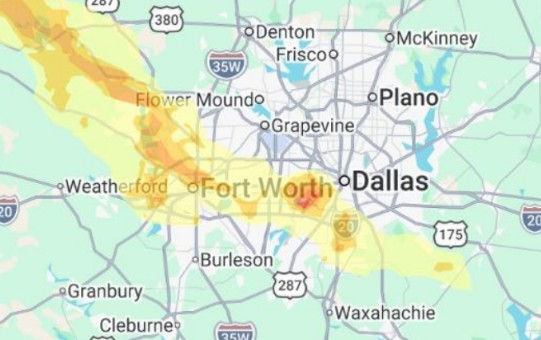
We've helped hundreds of North Texas homeowners navigate this process. Spring hail season in the DFW corridor (April through June) produces more claims than any other period in Tarrant County. This guide covers every step.
What Your Insurance Covers — and What It Doesn't
Your homeowners policy covers sudden, accidental damage: hail strikes, wind during storms, tree branches through the roof. What's included is the physical damage to shingles, underlayment, flashing, and gutters damaged by the same incident. Some policies also cover interior water damage.
Not covered: Age-related wear and tear. Gradual leaks from poor maintenance. Algae, moss, and ventilation neglect. Any damage below your deductible — most Texas homeowners carry 1% or 5% deductibles.
In older neighborhoods like North Richland Hills and downtown Fort Worth, adjusters scrutinize 15+ year old roofs hard — they look for pre-existing damage and age factors. Newer homes in Keller and Southlake typically have cleaner claims because the roof is newer and maintenance history is shorter.
Under Texas Department of Insurance guidance, insurers must explain coverage decisions clearly and in writing. No vague denials.
Step-by-Step: Filing Your Roof Insurance Claim
Step 1: Document Everything Immediately
Don't call a contractor first. Document first. Take photos and videos from multiple angles — wide shots of the full roof, close-ups of each damaged area. Inside the house, photograph any water stains, mold, or drywall damage. Write down the exact date and time of the storm and note wind speeds from weather alerts if available. Timestamped photos carry more legal weight than undated images.
Step 2: Report Your Claim Right Away
Call your insurance agent or the claims hotline. Have your policy number ready. Texas law (HB 2102 and Texas Insurance Code § 2706) requires insurers to acknowledge your claim within 15 days — typically 5 business days for urgent claims. Get a claim number. Use it in every communication. During peak hail season (April-May in DFW), adjusters can be 2-4 weeks out because volume is high.
Step 3: Don't Sign Anything Yet
Wait to sign contractor agreements until after your insurance adjuster has completed their inspection. If the adjuster denies part of the damage, you don't want a contractor agreement committing you to a specific repair plan. Don't sign a power of attorney letting a contractor bill insurance directly unless you know them well. Some contractors use these to overcharge or add unnecessary work.
Step 4: Prepare for the Adjuster
Clear attic or roof access. Gather your photos. Have policy documents ready. Be home or have a representative present. During the inspection, stay nearby and be available — if the adjuster misses something, point it out politely. Take notes: their name, company, badge number, arrival and departure time, and what they said informally.
Step 5: Get a Contractor's Assessment
After the adjuster visits, hire a contractor for a second opinion. Adjusters work for the insurance company, not for you. A qualified roofing contractor identifies damage the adjuster might have missed or undervalued. In Tarrant County, we provide this assessment at no charge on storm damage claims.
Step 6: Review the Adjuster's Report
The insurance company sends an Explanation of Benefits 1-2 weeks after inspection. Read it carefully — what damage they found, what's covered, dollar amounts, and whether they applied depreciation. If their number is lower than your contractor's estimate, submit a formal supplement request with photos and contractor documentation. Insurance companies must respond within 30 days.
Step 7: Approval and Payment
Once approved, the insurance company issues a check — often made out to both you and your contractor. Review it against the estimate. If the check covers only depreciated value, understand you may receive a second payment after proof of completed repairs. Never cash a check that says 'final settlement' unless you're truly done with the claim.
Step 8: Complete Repairs and Submit Proof
Now you contract with a roofer. Get multiple bids. Verify licensing and insurance. After repair, photograph the completed roof and submit invoices and material receipts to your adjuster. Some policies require proof of completion before releasing the final payment.
Common Mistakes That Kill Claims
Waiting too long: File within days, not weeks. After 60-90 days, adjusters become skeptical about whether damage is fresh.
Poor documentation: A timestamped video from the day of damage has far more legal weight than a photo from 'a few weeks ago.'
Signing before adjuster approval: Contractors who pressure you to sign immediately are a red flag. Wait for the insurance decision first.
Accepting the first assessment without question: Having a contractor independently review damage is normal and smart — adjusters minimize payouts by training.
Not understanding your deductible: If damage is $8,000 and your deductible is $5,000, you pay $5,000. Know your policy before a storm hits.
Treating depreciated payment as final: Some policies pay depreciated value first, with a second payment after proof of replacement. Read your paperwork.
Typical Timeline: DFW Roof Insurance Claim
Day 1: Storm occurs. Document immediately, report to insurance by end of day. Days 2-7: Insurance acknowledges claim, schedules adjuster. Days 8-28: Adjuster inspects. In peak season (April-June), this can stretch longer. Days 29-45: You receive the adjuster's report and Explanation of Benefits. Days 35-60: Supplement requests, independent adjuster review if needed. Days 61-75: Final approval and check issuance. Days 76+: Repairs completed, proof submitted, final payment received. Total: 75-120 days from storm to final payment, longer during spring hail season.
When Insurance Denies Your Claim
A denial is not always final. Common reasons include pre-existing damage, age and wear attribution, or causation disputes. If denied, request the full adjuster's report, get a contractor's written rebuttal, and send a formal appeal letter to the claims manager — not the original adjuster. If the appeal fails, file a complaint with the Texas Department of Insurance at tdi.texas.gov/complaints. You have two years after a denial.
Texas law requires insurers to act in good faith. If an adjuster clearly missed damage or denied a claim without adequate justification, that is a violation — and the state takes complaints seriously.
Texas Laws That Protect You
HB 2102 (§ 2706): Insurers must make decisions and pay approved claims within 30 days. Exceed that, and they owe you interest.
Texas Insurance Code § 2707: Insurers must acknowledge your claim within 15 days and provide adjuster name, inspection timeframe, and your rights.
Texas Insurance Code § 541.151: Insurers cannot deny your claim using a pre-loss inspection they never disclosed to you.
Frequently Asked Questions
How long do I have to file? One year from the date of loss under Texas law. File immediately — waiting weakens your claim.
Will filing a claim raise my rates? Not for weather-related claims (hail, wind, tree damage). Multiple claims in a short period may trigger review.
What if the adjuster's estimate is lower than my contractor's? Submit a supplement request with contractor estimates and a written explanation of the cost difference. Insurance must respond within 30 days.
Can I choose my own contractor? Yes. Insurance doesn't dictate who repairs your roof.
Do I have to accept the first offer? No. You can supplement, appeal, hire an independent adjuster, or consult an attorney for significant amounts.
How 3:16 Roofing Helps With Insurance Claims
We're not insurance agents, but we handle insurance claims every month. We provide free damage assessments with documented photos and cost breakdowns, help submit supplement requests when adjusters miss damage, and execute repairs to manufacturer spec and Texas building code. Our report carries weight with carriers because we're licensed and BBB A+ rated.
We'll tell you honestly whether a claim makes sense to pursue — and we won't push you into repairs you don't need. Call 817-402-7663 for a free storm damage inspection. We know what adjusters in Tarrant County accept, and we know how to document claims that get approved.


Comments