


How to File a Roof Insurance Claim in DFW: Step-by-Step Guide (2026)

Updated: Aug 24
When a hailstorm or wind damage hits your home in the Dallas-Fort Worth area, filing a roof insurance claim can feel overwhelming. We understand the stress of dealing with damage, navigating insurance companies, and wondering if you'll get fair compensation. That's why we've created this complete guide to walk you through the entire process.
At 3:16 Roofing and Construction, we've helped hundreds of DFW homeowners successfully navigate their insurance claims. Our team knows Texas insurance rules inside and out, and we're here to help you understand every step.
When to File a Claim
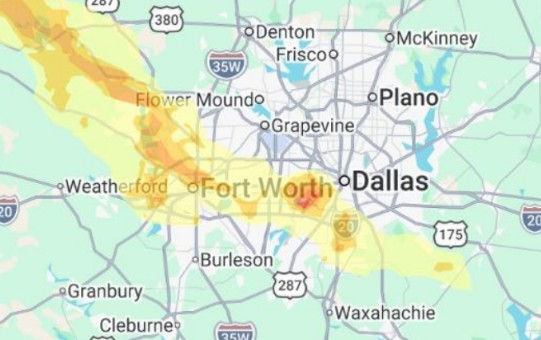
The timing of your claim matters more than you might think. Here's what you need to know: File within the required timeframe. Texas law doesn't specify a single deadline, but most insurance policies require you to file within one to three years of the damage. Don't wait too long, as delay can hurt your case. Spring storm season is prime time. In DFW, Tarrant County experiences frequent hail during spring and early summer, typically from April through June. Severe weather season means our phones ring constantly with homeowners facing damage. Document everything immediately. Take photos and videos of all damage right after the event, before weather or time can change the appearance of your roof. This evidence becomes crucial during the claims process. Call your insurance company quickly. Once you've documented damage, contact your insurer without unnecessary delay. The Texas Department of Insurance recommends reporting within a reasonable timeframe to avoid complications.
Step-by-Step Claim Process: 5 Steps to Success
Step 1: Document the Damage Thoroughly
Before you contact anyone, gather evidence. Walk around your property (safely) and photograph or video every area showing damage. Capture roof condition from the ground and, if safe, from a ladder or elevated view, damaged gutters, fascia, or soffits, hail damage on vents, flashing, or visible shingles, interior damage like water stains, leaks, or damaged ceilings, and any debris from the storm. Create a dated record of all photos and videos. Many homeowners miss important details because they don't capture them immediately.
Step 2: Review Your Insurance Policy
Pull out your homeowner's insurance policy and read the key sections: your coverage limits for roof damage, your deductible amount, any exclusions that might apply, time limits for filing, and requirements for obtaining estimates. Understanding these details prevents surprises later. If anything is unclear, call your insurance agent for clarification.
Step 3: File Your Claim
Contact your insurance company through their standard channels. You can usually file online, by phone, or through your agent. Provide your policy number, the date of the damage, a clear description of what happened, your documentation (photos and videos), and any preliminary estimates if you have them. The insurer will assign a claims adjuster to your case. This adjuster inspects the damage and determines coverage and payment amounts.
Step 4: Schedule the Insurance Adjuster Inspection
Your insurance company will contact you to schedule an inspection. The adjuster is responsible for assessing the damage and writing up the claim report. During this inspection be present when the adjuster arrives, point out all damage you've noticed, ask questions about their findings, request a copy of their report, and take your own photos during the inspection for comparison. Having a licensed roofing contractor like our team present during this inspection can protect your interests. We can identify damage the adjuster might miss and ensure your claim reflects the full extent of repairs needed.
Step 5: Receive Payment and Proceed with Repairs
Once approved, you'll receive a check. In Texas, you typically receive an initial payment, and then a final payment after repairs are completed and verified. The payment amount depends on your coverage and deductible. If the damage exceeds your initial estimate, you can file for additional compensation through a supplemental claim, which we'll discuss later.
What Insurance Covers vs. What It Doesn't
Insurance typically covers: storm damage from hail, wind, or heavy rain, lightning strikes, sudden and accidental damage, falling tree damage (usually), and structural damage to the home. Insurance typically does NOT cover: normal wear and tear, damage from lack of maintenance, gradual leaks over time, damage from your own negligence, damage from poor installation, and issues caused by existing roof defects. The Texas Department of Insurance provides guidelines for what carriers must cover, but policies vary. Always ask your adjuster specifically what is and isn't covered in your claim.
Common Mistakes Homeowners Make
We've seen these errors cost people thousands in lost claims: Delaying the claim costs you because the longer you wait, the harder it is to prove the damage was recent and storm-related. Not getting multiple estimates means we always recommend getting at least two contractor estimates. If estimates vary significantly, this helps justify higher claim amounts.
Accepting the first adjuster report without question is risky because adjusters work for the insurance company, not for you. Their initial assessment may be conservative. You have the right to dispute their findings. Skipping a licensed contractor inspection costs you because our team can spot damage you might miss and provide documentation that supports your claim.
Making repairs before settling is a mistake because you should never start repairs until your claim is finalized and you have a clear settlement amount. Early repairs can actually reduce your claim value. Not filing supplemental claims means if your repairs end up costing more than the initial estimate, you can and should file for additional compensation.
ACV vs. RCV Explained
This is one of the most important concepts in roof insurance claims: ACV (Actual Cash Value) means your insurer pays based on your roof's age and condition. A 15-year-old roof is worth less than a brand-new roof, even though replacing it costs the same amount. Most basic policies use ACV.
RCV (Replacement Cost Value) means your insurer pays for the full cost of replacement, regardless of your roof's age. This is a better option for homeowners but typically costs more in premiums. If you have an older roof, RCV coverage is worth considering. We recommend reviewing your policy with your agent to understand which type you have.
How Deductibles Work in Texas
Your deductible is the amount you pay out of pocket before insurance pays anything. In Texas, deductibles for hail and wind damage typically run 1-2% of your home's total dwelling coverage. Here's an example: If your home's dwelling limit is $300,000 and you have a 1% deductible, your deductible for hail damage is $3,000. If your roof damage costs $8,000, your insurance pays $5,000 and you pay $3,000.
Some policies have flat deductibles ($500 or $1,000), percentage-based deductibles (1-2% of dwelling value), or separate deductibles for hail vs. other perils. Understanding your deductible helps you know exactly what to expect from your claim payout.
Supplementing Low Estimates
Sometimes the initial insurance estimate doesn't cover the full cost of repairs. This happens because the adjuster missed some damage, repair costs increased since the estimate, or hidden damage becomes apparent during work. In these cases, you can file a supplemental claim.
Here's how: Get a detailed written estimate from your contractor showing all repairs needed, compare it to the original estimate and highlight discrepancies, provide photos of damage discovered during the repair process, and submit the supplemental claim to your insurer with supporting documentation. Many homeowners don't realize they can file supplementals, leaving money on the table. We help our clients maximize their claims through this process.
Frequently Asked Questions
Q: How long does the claims process take? A: Typically 2-6 weeks from filing to receiving your initial payment. Supplemental claims may take additional time. Delays can occur during busy storm season when adjusters are backlogged.
Q: Can I choose which contractor repairs my roof? A: Yes. Insurance companies cannot require you to use a specific contractor. You have the right to choose any licensed, qualified roofer. We're happy to discuss your options at (817) 402-7663.
Q: What if I disagree with the insurance adjuster's assessment? A: You can request an independent inspection, hire a public adjuster, or pursue appraisal through your policy. Many carriers are required to resolve disputes through appraisal if you disagree with their assessment.
Q: How much will my insurance increase after filing a claim? A: This varies by insurer and your claim history. Some carriers increase rates, while others don't for weather-related claims. Ask your agent about potential rate impacts before filing.
Q: Do I need a contractor present during the inspection? A: Not required, but it's smart. A licensed roofer like our team can identify damage you might miss and advocate for your interests. Call us at (817) 402-7663 to discuss whether a contractor inspection makes sense for your situation.
Ready to File Your Claim? We're Here to Help
The roof insurance claim process doesn't have to be confusing. At 3:16 Roofing and Construction, we've worked with hundreds of DFW homeowners through this journey. Whether you need help documenting damage, understanding your policy, getting an estimate, or disputing an adjuster's findings, our team is ready.
We're a fully licensed roofing contractor with over a decade of experience in the Dallas-Fort Worth area. Our team holds a RCAT license (#03-0246), maintains a BBB A+ rating. With 4.9 stars from 239 customer reviews, we're trusted by homeowners throughout DFW.
Don't navigate this process alone. Call us today at (817) 402-7663 for a free inspection and estimate. We'll make sure your insurance claim reflects the true cost of your roof repairs.


Comments